The short answer
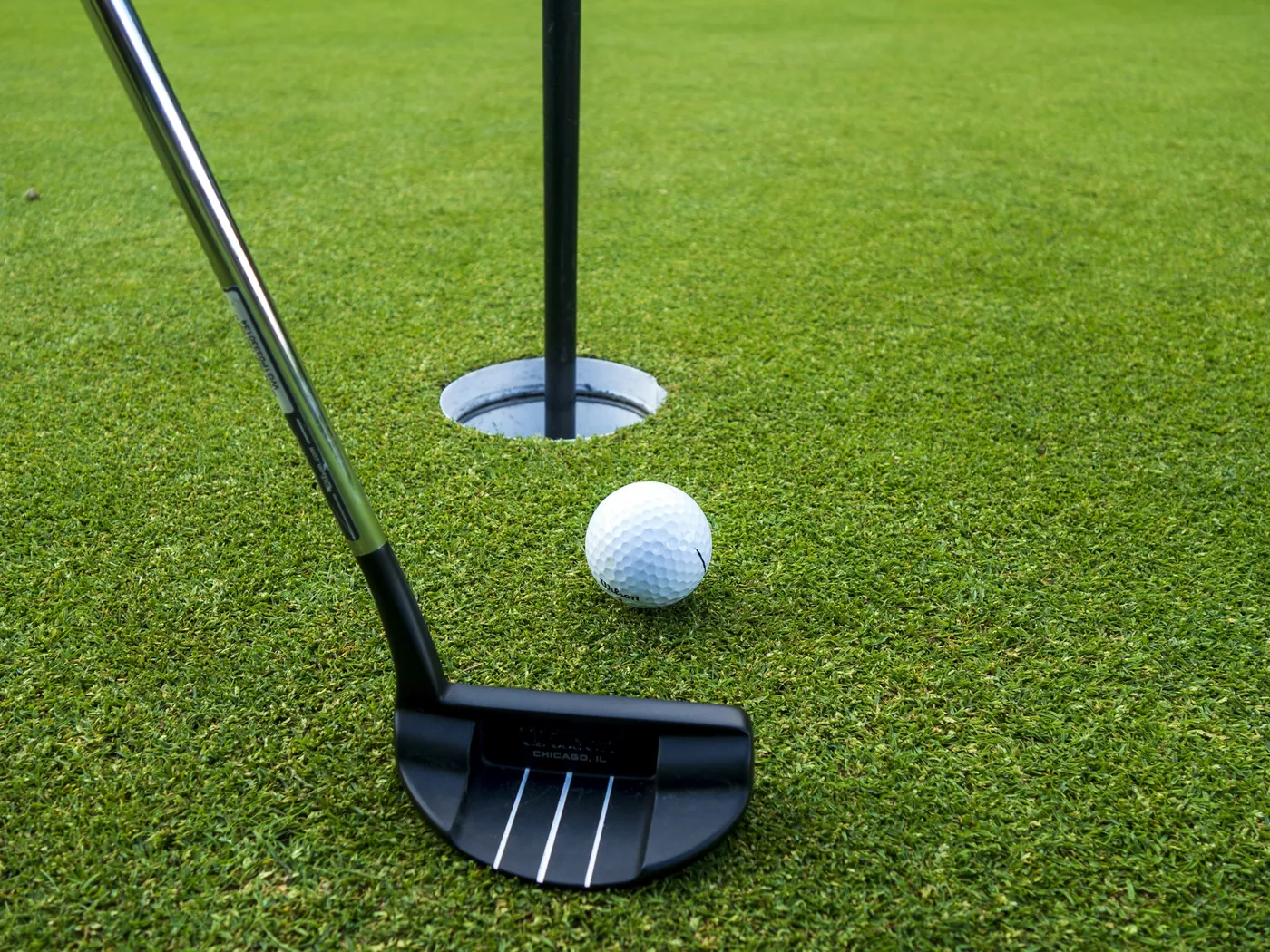
Record where you aim, where the ball strikes the face and where it finishes. Those observations help distinguish a setup issue from a head-shape preference.
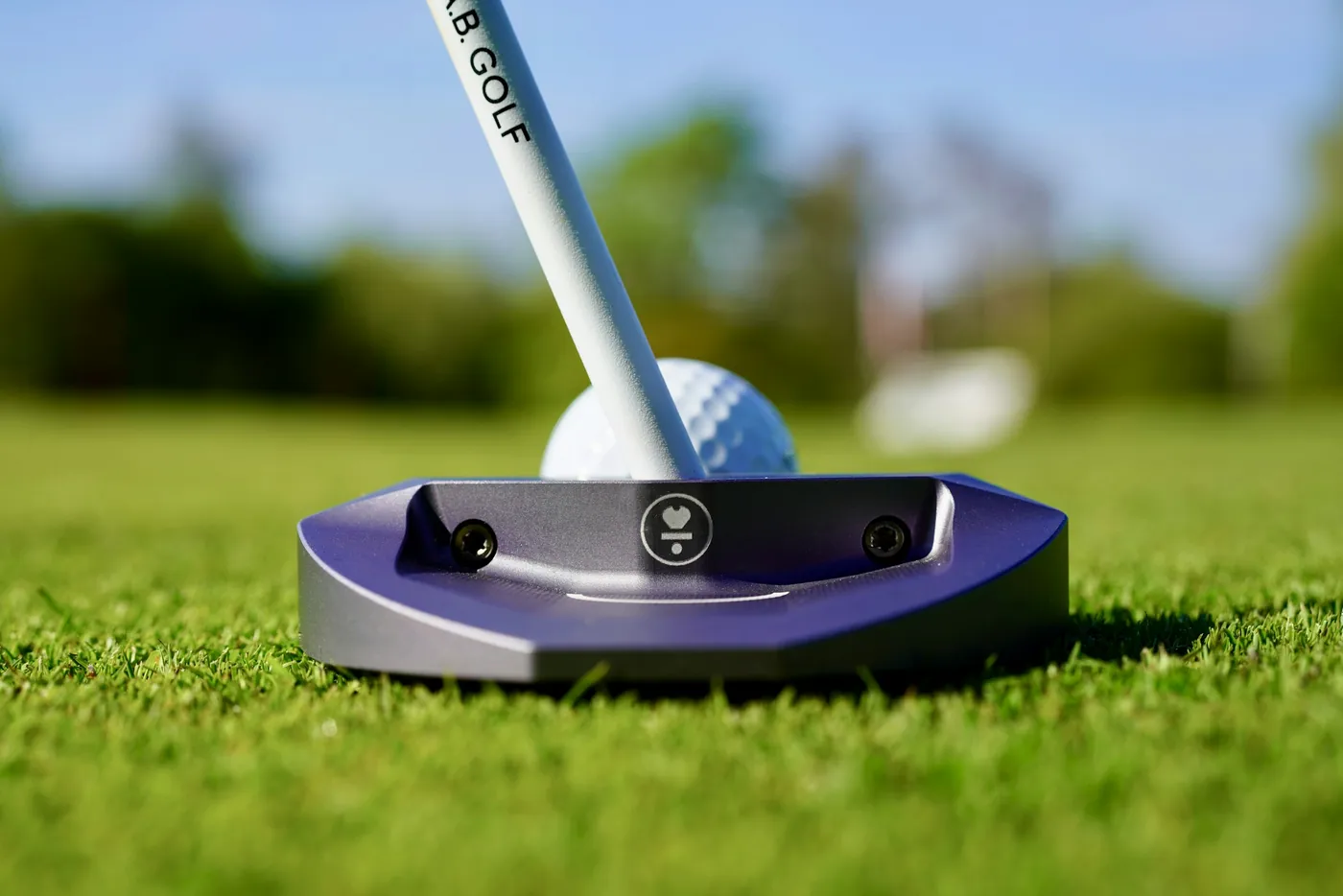
A L.A.B. putter assessment should separate aim, strike and pace while comparing your present club with suitable alternatives. The result should be a documented specification and a clear reason for each choice, rather than a promise that one head will cure every miss.
Measure the baseline
Record the current putter’s model, playing length, lie, loft where measurable, grip and condition. Observe normal posture, aim, strike location, start direction and pace before offering technique changes.
Change one useful variable
Length and lie usually need to work together. Head shape and alignment can then be compared without confusing the result. Grip or shaft changes should be considered as part of the whole build, because they can alter feel and hand position.
Use a repeatable test
Hit alternating sets with the same ball from several distances. Short putts reveal aim and start line; longer putts reveal pace. Look at the spread and common miss, not a single holed putt.
Document the outcome
Write down model, handedness, playing length, lie, loft if specified, grip, shaft and alignment. For a L.A.B. build, the manufacturer also offers remote fitting. Fix It Golf provides putter fitting in Randwick; contact Fix It Golf if you want your current club measured or compared.
Example: distinguish aim from fit
If a golfer’s putts start right, first check where the face was aimed. If the face was aimed right while the head sat naturally, an alternative alignment pattern or shape may help. If the face was aimed correctly but impact delivered it open, examine strike and motion. If the player must raise the heel to become comfortable, length and lie deserve attention. This sequence avoids treating every miss as the same problem. See how to test accuracy and the L.A.B.-specific fitting sequence.
Decision checkpoint: A good fitting record also notes the test ball and green conditions. Those details make a later comparison more meaningful when a putter feels different on a faster or slower surface.
Back to the journal