The short answer
Expect a structured session: baseline putts, setup and delivery checks, controlled comparisons, then a specification or adjustment plan.
A structured putting fitting moves from observation to controlled comparison. You should understand why each change is being tested and what improved in the result.
Stage 1: observe
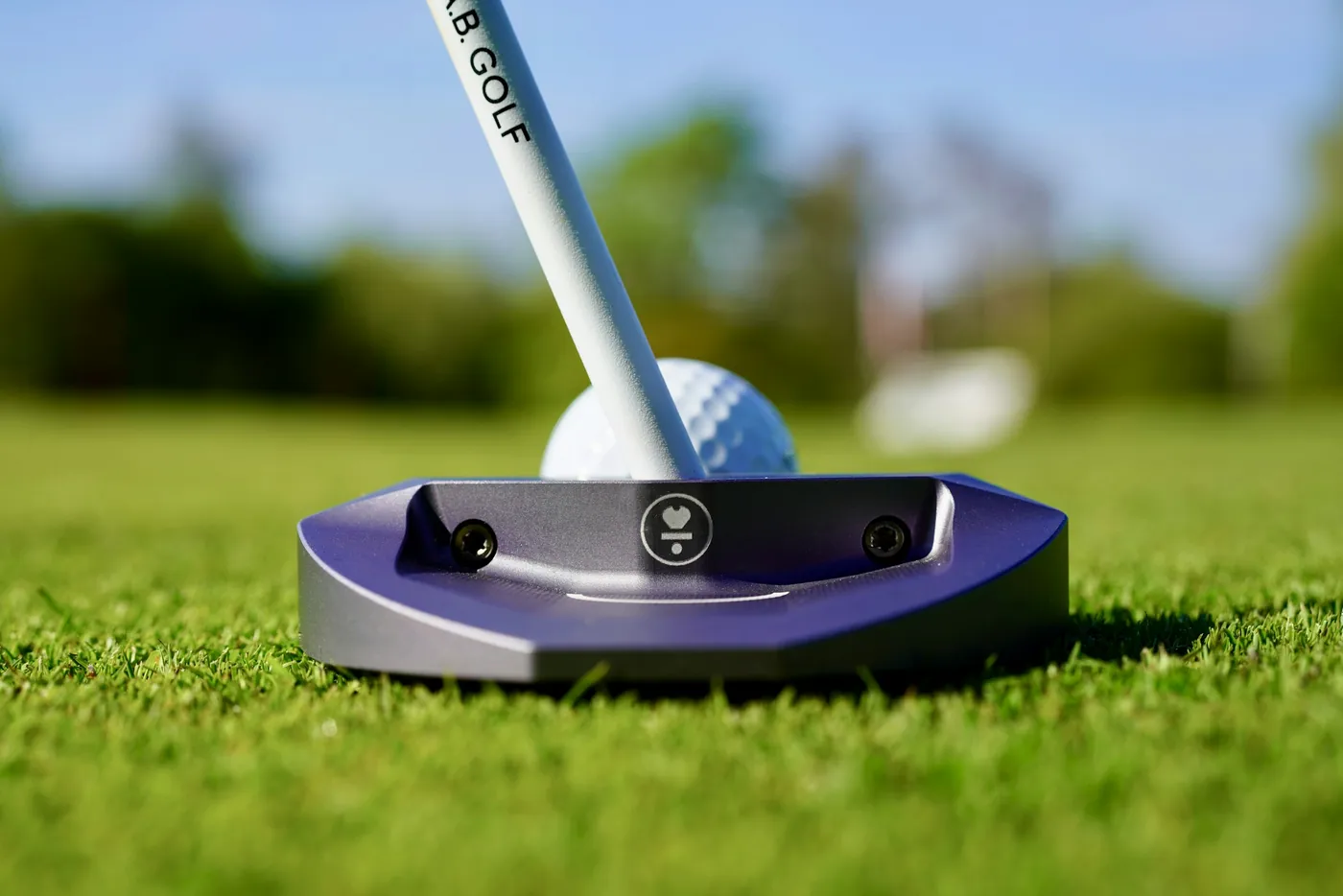
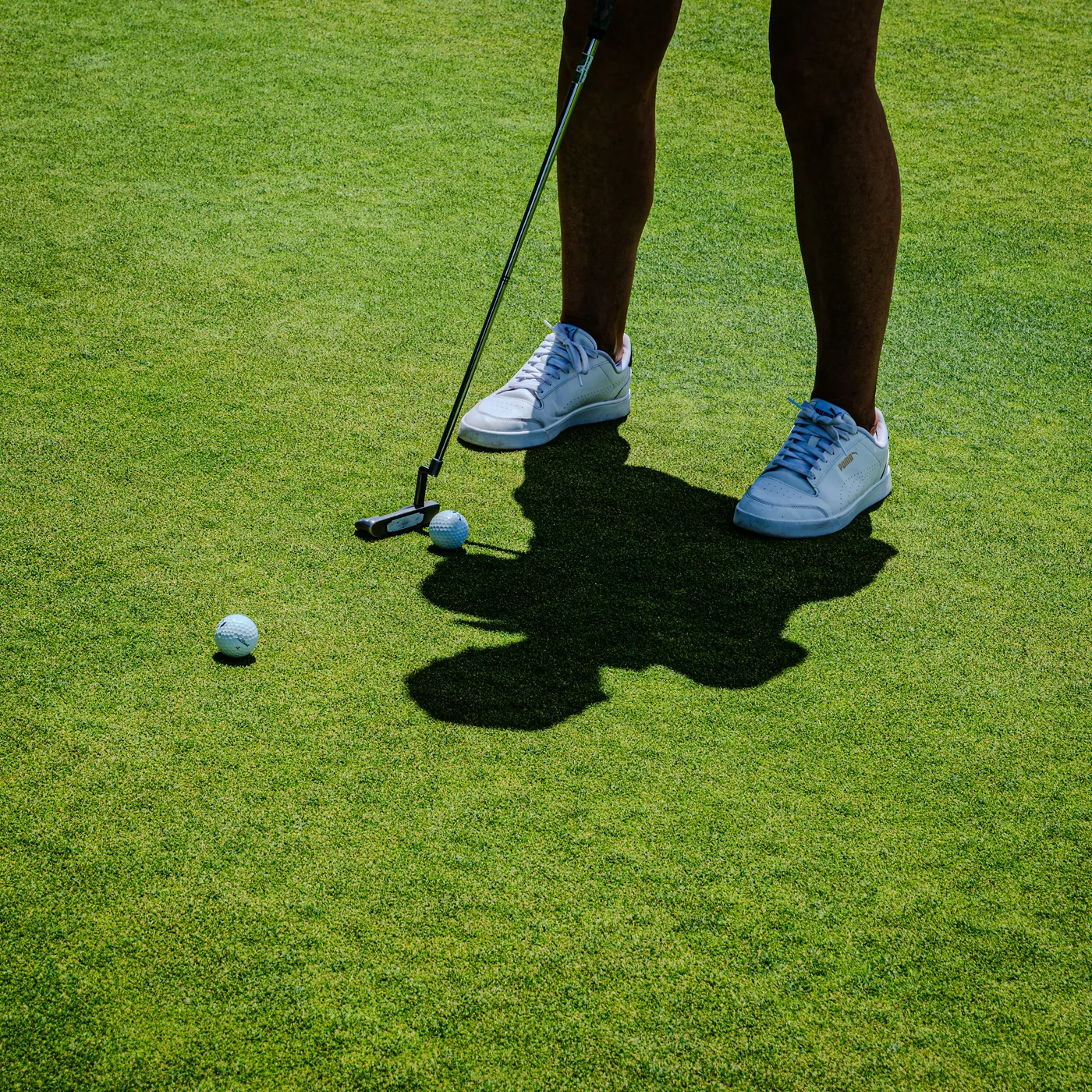
After a warm-up, hit putts of several lengths with your current club. The fitter establishes aim, strike and speed patterns and notes how the head sits at address.
Stage 2: compare
One variable should change at a time where practical. A length change may alter posture before a different lie is judged; a new head shape may alter aim before loft is refined.
Stage 3: specify
The session should finish by retesting the preferred configuration and recording the build. A useful recommendation also explains what did not improve, so you are not left chasing every available option.
What a comparison can reveal
A player who repeatedly aims one head left may aim a different alignment pattern closer to target, yet still leave putts short. That is two findings, not one verdict: visual aim improved, while pace still needs testing through head weight, feel or practice. The fitter should keep those outcomes separate.
Prepare with the pre-fitting checklist. When length or lie emerges as the likely change, see how the measurements interact before agreeing to an adjustment.
Expect some findings to conflict
A test head may improve aim but worsen pace, or a shorter build may improve contact while feeling unfamiliar. A sound session repeats the comparison, identifies the trade-off and ties the decision to your main problem instead of declaring every change an upgrade.
Ask to revisit the original club at the end so the size of the difference remains clear.
Arrange a fitting in Randwick
Fix It Golf provides club fitting and loft-and-lie adjustments at 22–24 Belmore Road, Randwick, alongside Playfair Golf. You can discuss a fitting and ask what the current putter-fitting session includes.
Back to the journal