The short answer
Bring current clubs, usual shoes, glove and ball where practical. Describe the common miss and course needs honestly, then take the complete recommendation home.
A fitting does not require weeks of special practice. It needs a reasonably normal swing, familiar equipment and a clear explanation of what you want the club to do.
A day or two before
Check the booking scope and expected duration. Confirm whether you should bring a whole set or only neighbouring clubs for a gapping comparison. Avoid making an unplanned grip, stance or swing change just for the session; the fitter needs the pattern you actually play.
Pack a useful baseline
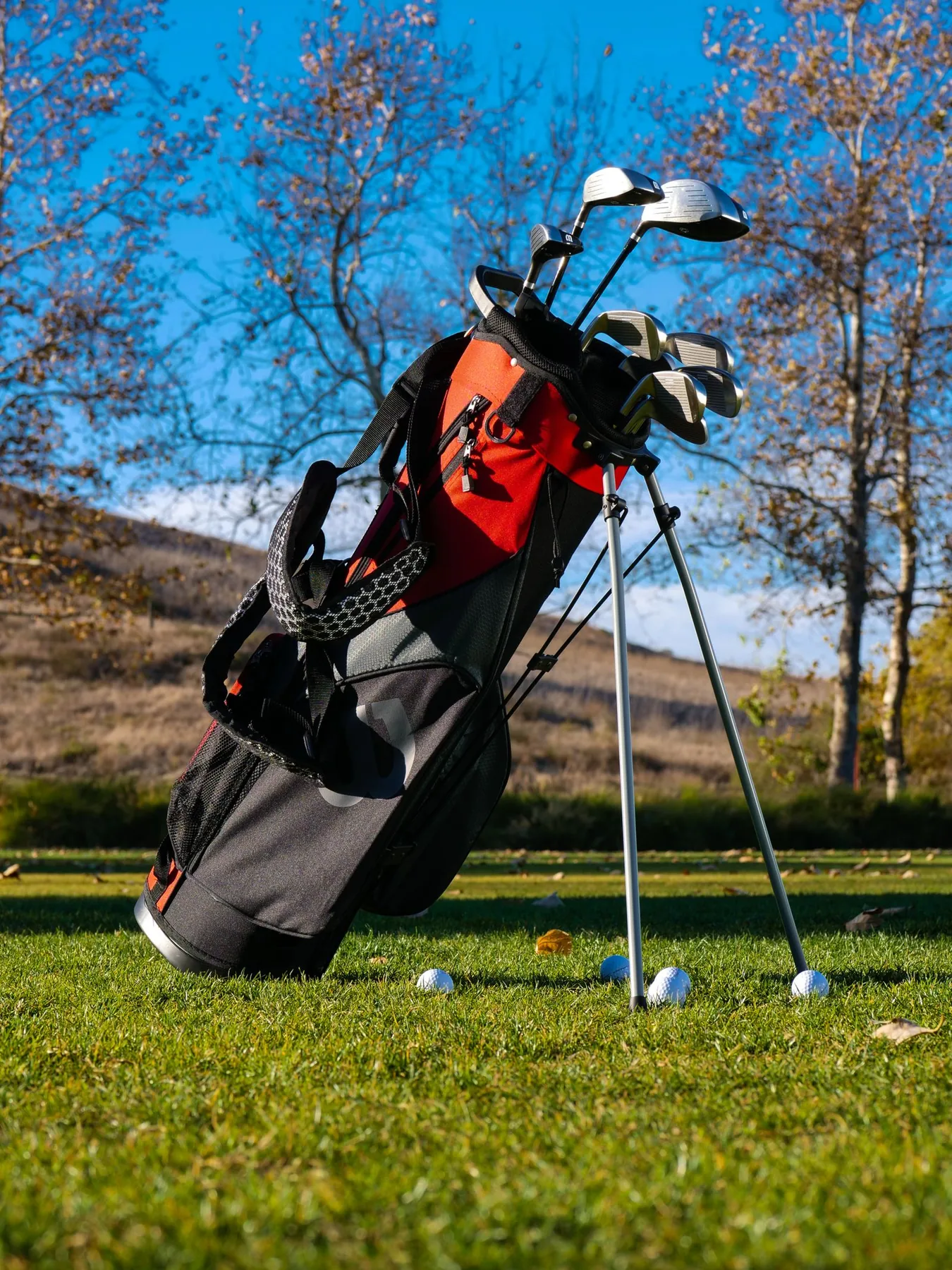
- Your current club in the category being fitted.
- Clubs immediately above and below it if distance gaps matter.
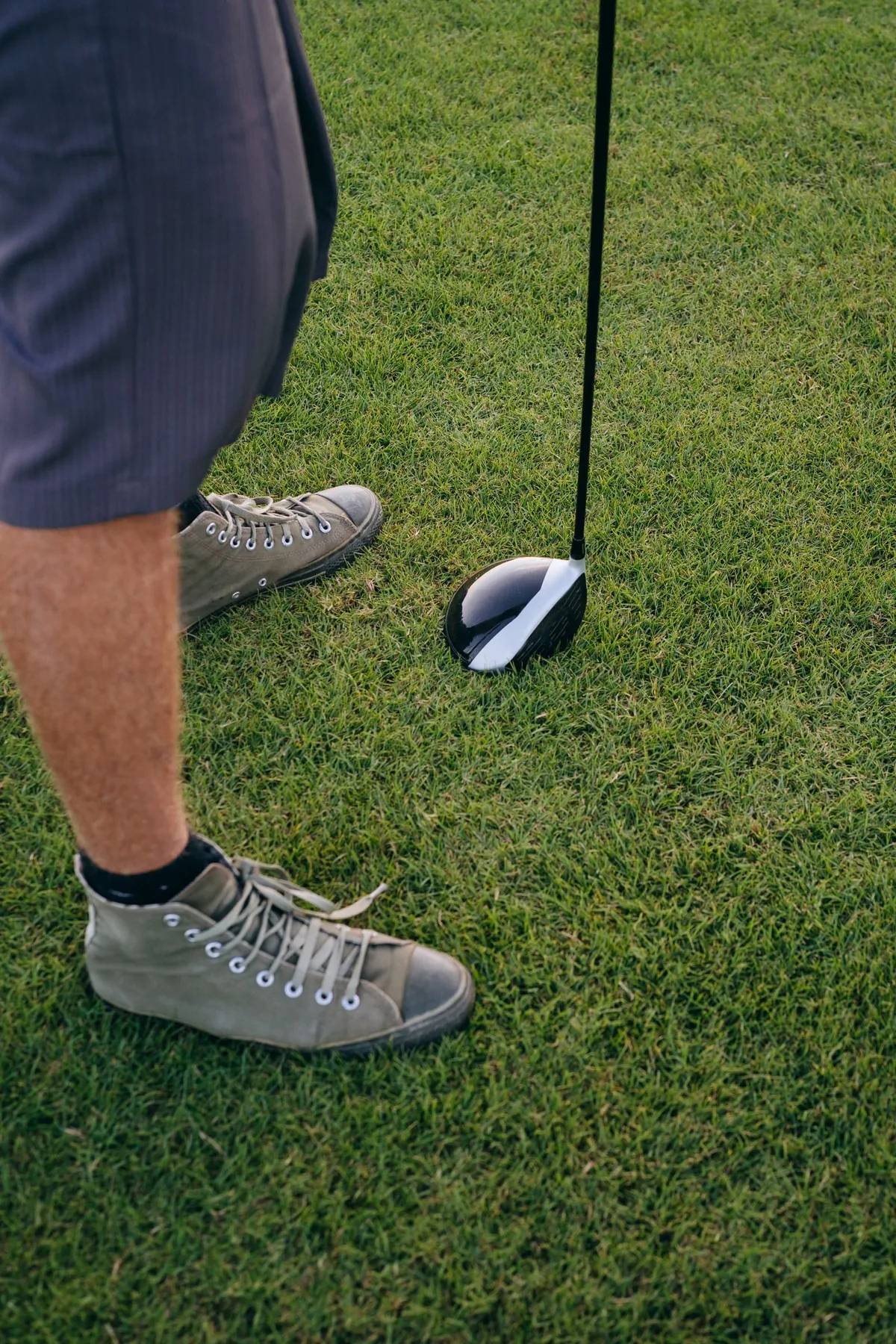
- Normal golf shoes, glove and any support you routinely use.
- Your usual ball model when practical.
- Previous specifications or fitting notes if available.
Clean faces and grooves enough to see strike and make fair comparisons. Do not arrive with a damaged club that is unsafe to hit; describe the fault separately through repair assessment.
Prepare three honest notes
Write down the usual ball flight, the common miss and the outcome you want. “My 5-iron and hybrid both carry about 155 metres” is more actionable than “I need more distance”. Note typical turf, wind or bunker conditions if they affect the club category.
Manage energy during the session
Eat and hydrate normally, warm up at your usual pace and say when fatigue affects the swing. A full-bag test can be split if later swings stop representing your game. Ask to revisit your current club if the comparison becomes unclear.
Plan the handover
Use the fitting process guide to understand the test, then the custom-build guide to check the order. To prepare for a Randwick session, email Fix It Golf with your club category and current setup.
Back to the journal