The short answer
Follow manufacturer care advice and avoid face or groove work that could change conformance.
Golfers often use the term iron refinishing to cover everything from washing mud off the sole to complete surface stripping and recoating. Understanding the difference between simple routine care, workshop repairs, and cosmetic refinishing helps you protect your clubs without damaging their playability.
Everyday cleaning versus head refinishing
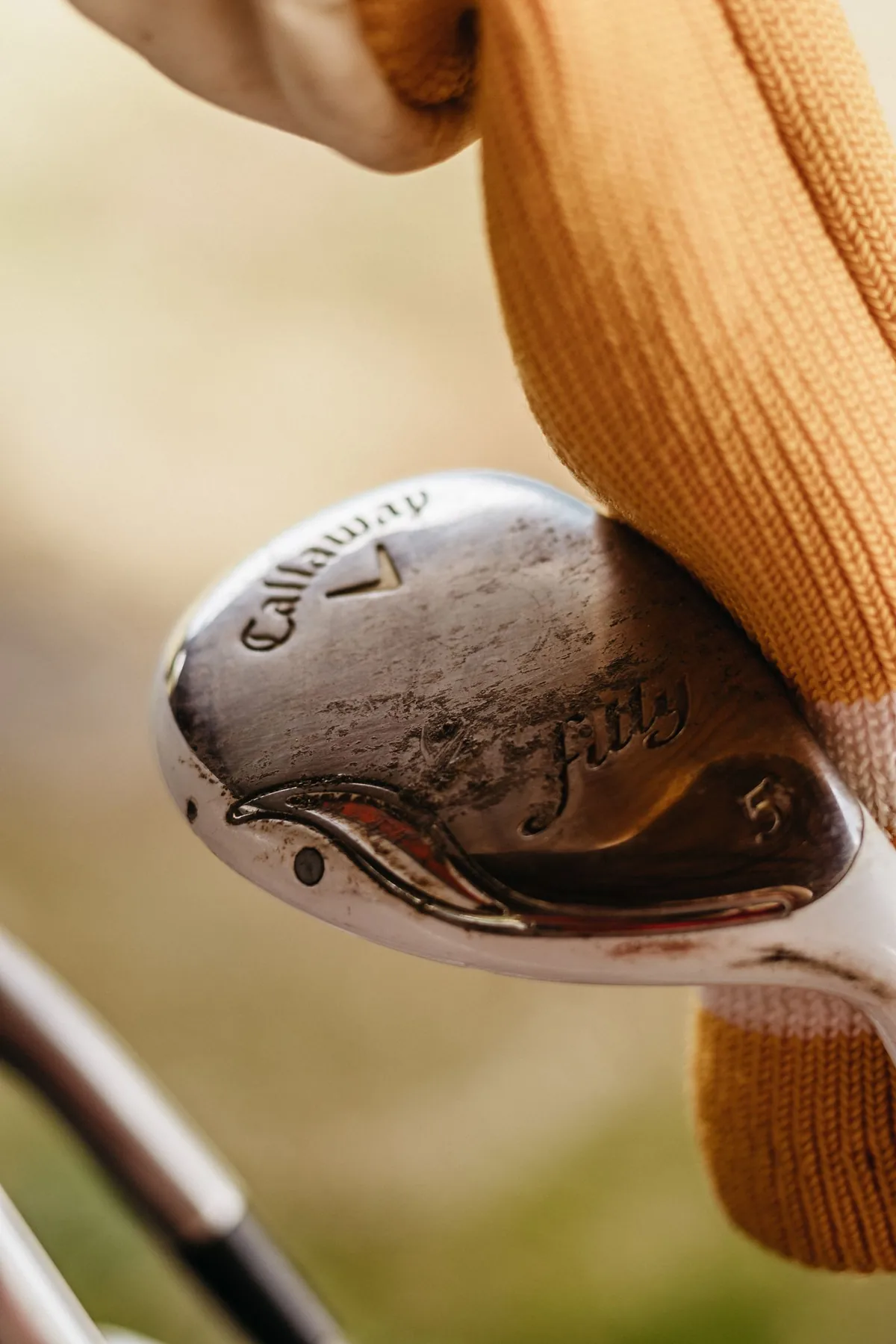
Start by following the care instructions for your model. Dirt and surface wear can look similar at a glance; cleaning helps you see what actually needs attention.
Cosmetic refinishing involves altering or replacing the outer surface of the clubhead. Because iron heads are engineered with specific base metals, platings, and cavity inserts, there is no universal refinishing method. Suitability depends entirely on the exact model, metal composition, and existing finish.
Manufacturer care guidelines
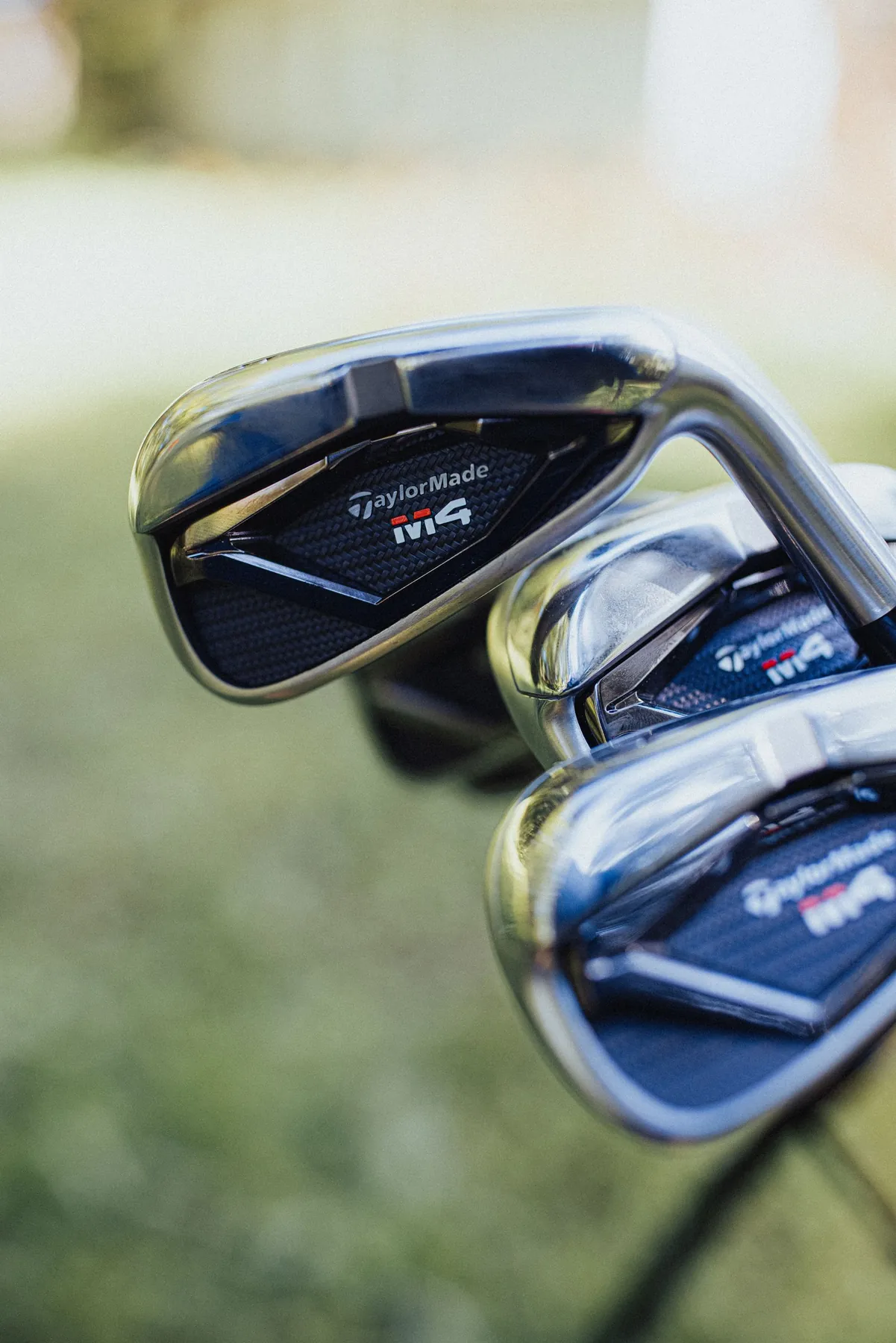
Modern irons frequently incorporate multiple materials, including polymers, tungsten weights, and badges. Aggressive treatments can loosen bonds or damage delicate finishes.
Routine care should always align with manufacturer recommendations. For its AP1 and AP2 irons, Titleist’s care advice recommends a damp cloth and soft brush, and advises against soaking. Check your own model’s instructions before using a treatment. Keeping grooves clean after play helps maintain consistent contact without altering the head.
Functional club servicing
A slippery grip, damaged shaft or unsuitable playing length calls for a different conversation from a scuffed finish. Useful services to discuss include:
- Regripping: Replacing worn grips and discussing a comfortable size.
- Reshafting: Replacing bent, damaged, or poorly matched shafts.
- Loft and lie adjustments: Checking angles, provided the specific head model and alloy are suitable for bending.
- Length alterations: Extending or shortening shafts to suit your setup.
If you are weighing the expense of functional work against replacing equipment, review our guide to golf club refurbishment costs. You can also explore club repairs at our Randwick workshop.
Rules and groove conformance
Cosmetic treatments that alter the clubface require caution. The R&A/USGA Equipment Rules set requirements for the clubface and grooves. Sanding, grinding, or re-cutting grooves can alter these dimensions and may affect whether the club conforms to competition standards.
Before allowing any work on the hitting surface, verify how the process might impact face specifications.
Questions to ask before proceeding
Rather than assuming a cosmetic process is suitable for your iron set, ask a qualified technician these questions:
- Is my specific iron model and finish suitable for cosmetic refinishing?
- Will the proposed work risk dislodging cavity badges, weights, or multi-material inserts?
- Could any surface treatment alter the club's weight, balance, or groove conformance?
- Would routine cleaning and functional repairs achieve what I need instead?
Fix It Golf is located at 22–24 Belmore Rd, Randwick NSW 2031, alongside Playfair Golf. To discuss whether your clubs are suitable for workshop adjustments, regripping, or reshafting, email hello@fixit-golf.com with details and photos of your set before assuming a specialist process is available.
Back to the journal