The short answer
Choose a fairway wood for a defined job and verified carry gap. Test from the lie you will use most, because a strong flight from a tee does not prove the club works from turf.
A fairway wood should fill a real role: a reliable tee club, a long approach from turf, or a bridge between driver and hybrid or iron. Defining that role prevents a fitting from becoming a contest for the longest shot.
Map the clubs on either side
Measure carry with the driver and the next longest club you expect to keep. The fairway wood needs enough separation to justify a place in the bag. Printed lofts alone do not establish the gap because head design, shaft and strike all affect flight.
Test the relevant lie
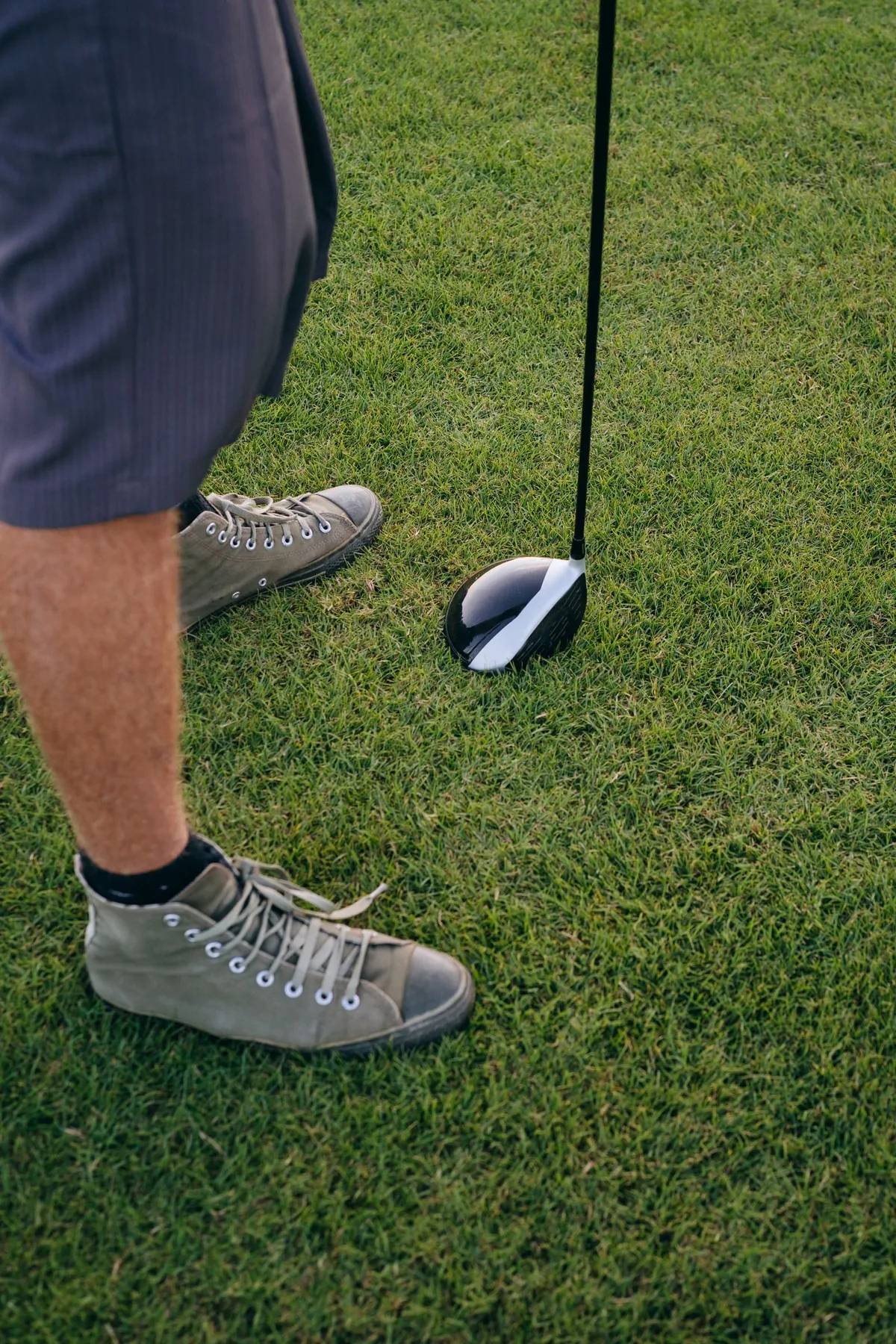
If the club will be played from fairway turf, hit it from turf during the fitting where possible. Note launch consistency, contact low on the face and how the sole passes through the ground. A deep-faced option that feels comfortable from a tee may be harder to launch from a tight lie.
Compare higher loft and alternatives
More loft can produce a more usable peak height and landing angle even if the best shot travels less. Compare a higher-lofted wood or hybrid when two candidates cover the same distance but differ in strike reliability.
Specify the final club
Record head, loft, hosel setting, shaft, length and grip. If an adjustable model is tested, the setting is part of the result. Recheck the distance gap when the finished club arrives.
For fairway wood fitting at Fix It Golf, bring the neighbouring clubs and email hello@fixit-golf.com to arrange an enquiry.
Back to the journal