The short answer
Choose a refinishing option only after identifying the original finish and agreeing on a realistic cosmetic target. Colour renewal, rust treatment and full recoating are different jobs.
The best refinishing choice depends on the finish you are trying to preserve or replace. Start with the exact head model and the visible problem, then compare proposed processes on that basis.
Name the cosmetic result
“Like new” is too vague. One golfer may want fresh paint fill in stamped lettering; another wants a worn putter finish renewed; another simply wants surface rust assessed. Define the areas that matter and whether originality, durability or appearance is the priority.
The original surface controls the options
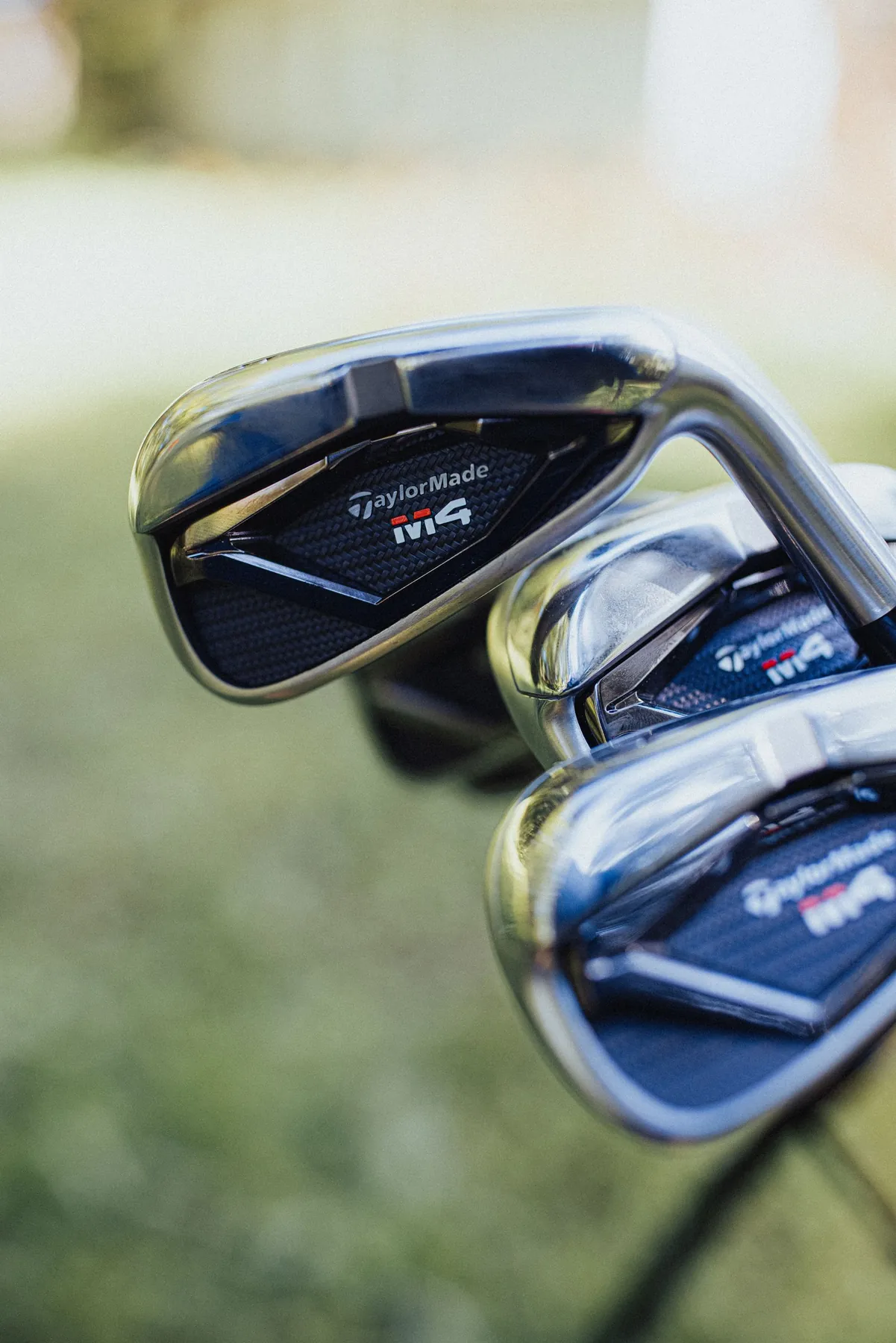
Chrome-plated irons, raw wedges, painted metal woods, carbon crowns and putters with face inserts cannot be treated as one category. Removing a coating can expose a different base material, and polishing can soften edges or markings. Ask the provider to identify the construction before quoting.
Review examples intelligently
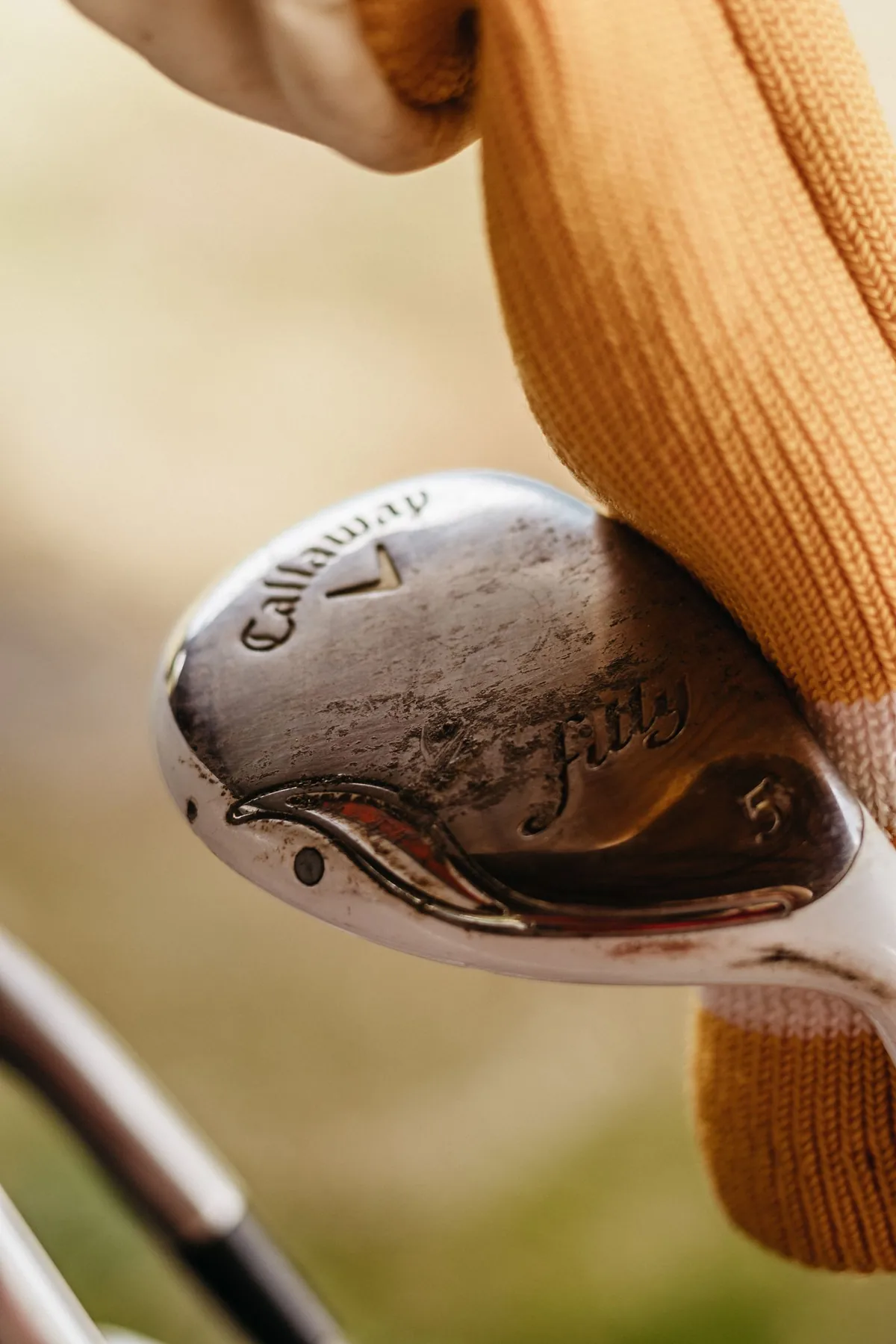
Examples are useful only when the starting club and material resemble yours. Check close views of the face, sole, topline and cavities rather than judging a distant glamour photo. Ask which dents, corrosion pits or scratches could remain.
Protect playability and conformance
A cosmetic change should not quietly become face grinding or groove alteration. The R&A Equipment Rules set requirements for club faces and impact-area markings. Confirm whether head weight, removable weights, inserts or alignment marks could be affected.
Fix It Golf provides functional club repairs. To ask whether cosmetic work for a particular model can be arranged, email hello@fixit-golf.com with clear photos.
Back to the journal